
 0
0
 0
0
showcasing the opportunities they offer for scientific discovery and human exploration beyond Earth.
Advancements in Rocket Technology
Reusable Rockets
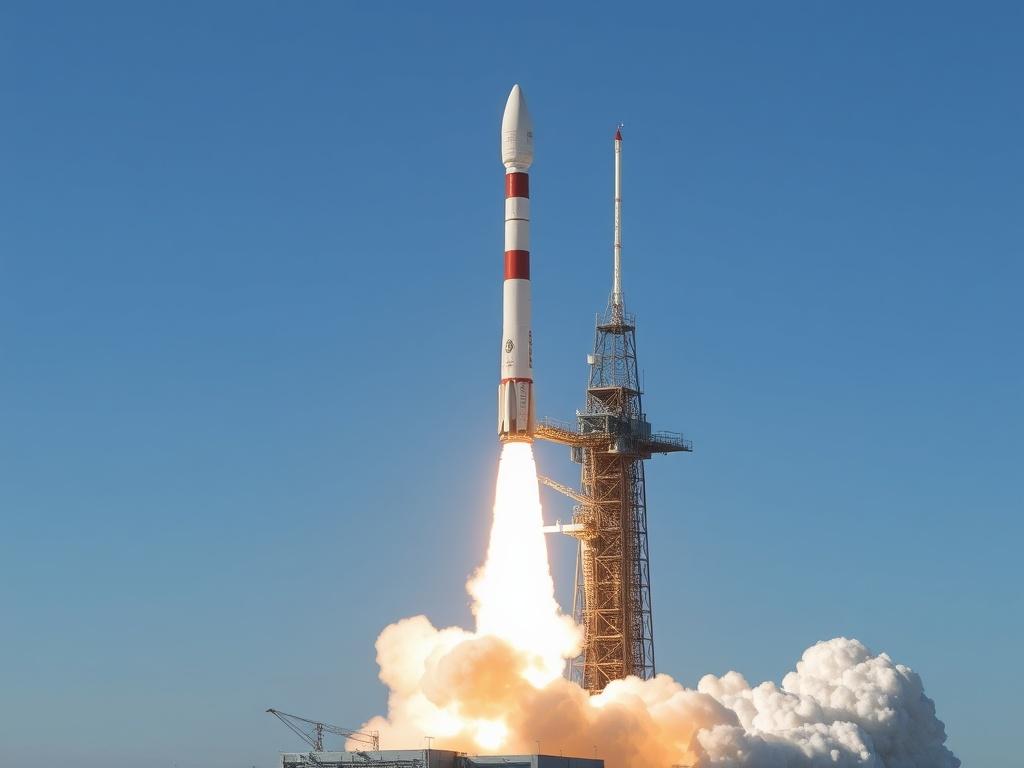
A major milestone in spaceflight has been the arrival of reusable rocket systems. Firms such as SpaceX have led the way in reusing rocket stages, which has dramatically lowered launch expenses. Recovering and refurbishing stages after flights has made access to space more affordable and sustainable, enabling bolder missions to the Moon, Mars, and farther afield.
Heavy-lift Launch Vehicles
Another key development is heavy-lift launchers that can place bigger payloads and spacecraft into orbit. Rockets like SpaceX’s Falcon Heavy and NASA’s Space Launch System (SLS) are built to transport large cargoes and crewed vehicles beyond low Earth orbit. These exceptional rockets are vital for sending probes to distant planets, conducting deep-space operations, and building human outposts in space.
Robotic Exploration Missions
Planetary Rovers
Robotic missions are essential for examining and interpreting the planets and moons of our solar system. Planetary rovers, like NASA’s Curiosity and Perseverance on Mars, carry sophisticated instruments to study surface materials, seek evidence of past life, and assess other worlds’ habitability. These rovers have transformed our knowledge of Mars and laid groundwork for future crewed missions to the Red Planet.
Asteroid and Comet Probes
Beyond planets, robotic probes are dispatched to investigate asteroids and comets, offering clues about the early solar system’s origins and development. Missions such as NASA’s OSIRIS-REx and ESA’s Rosetta have met and examined these primordial bodies, revealing details about their make-up, structure, and their potential value as resources for upcoming space endeavors.
Human Spaceflight Programs
Commercial Crew and Space Tourism
The expansion of commercial space companies has opened a new chapter in human spaceflight, with organizations like SpaceX and Blue Origin at the forefront of ferrying astronauts to the International Space Station (ISS) and beyond. These firms are also working toward space tourism, giving civilians a chance to experience microgravity and view Earth from orbit. As commercial crew systems evolve, routine access to space for science and leisure becomes more attainable.
Lunar Exploration
NASA and other agencies are preparing to return humans to the Moon through the Artemis program, aiming to create a lasting human presence on the lunar surface before the decade ends. Artemis plans to land the first woman and the next man on the Moon, carry out scientific investigations, and set the stage for crewed missions to Mars. Global cooperation and private-sector partnerships will be key to meeting these bold goals.
Conclusion
Looking ahead, the outlook for space exploration is extraordinarily promising. With progress in rocket design, robotic missions, and human spaceflight initiatives, we stand poised to unravel cosmic mysteries and broaden humanity’s reach beyond our planet. By leveraging technology, innovation, and international teamwork, we can keep advancing space exploration and inspire future generations to aim for the stars.


